

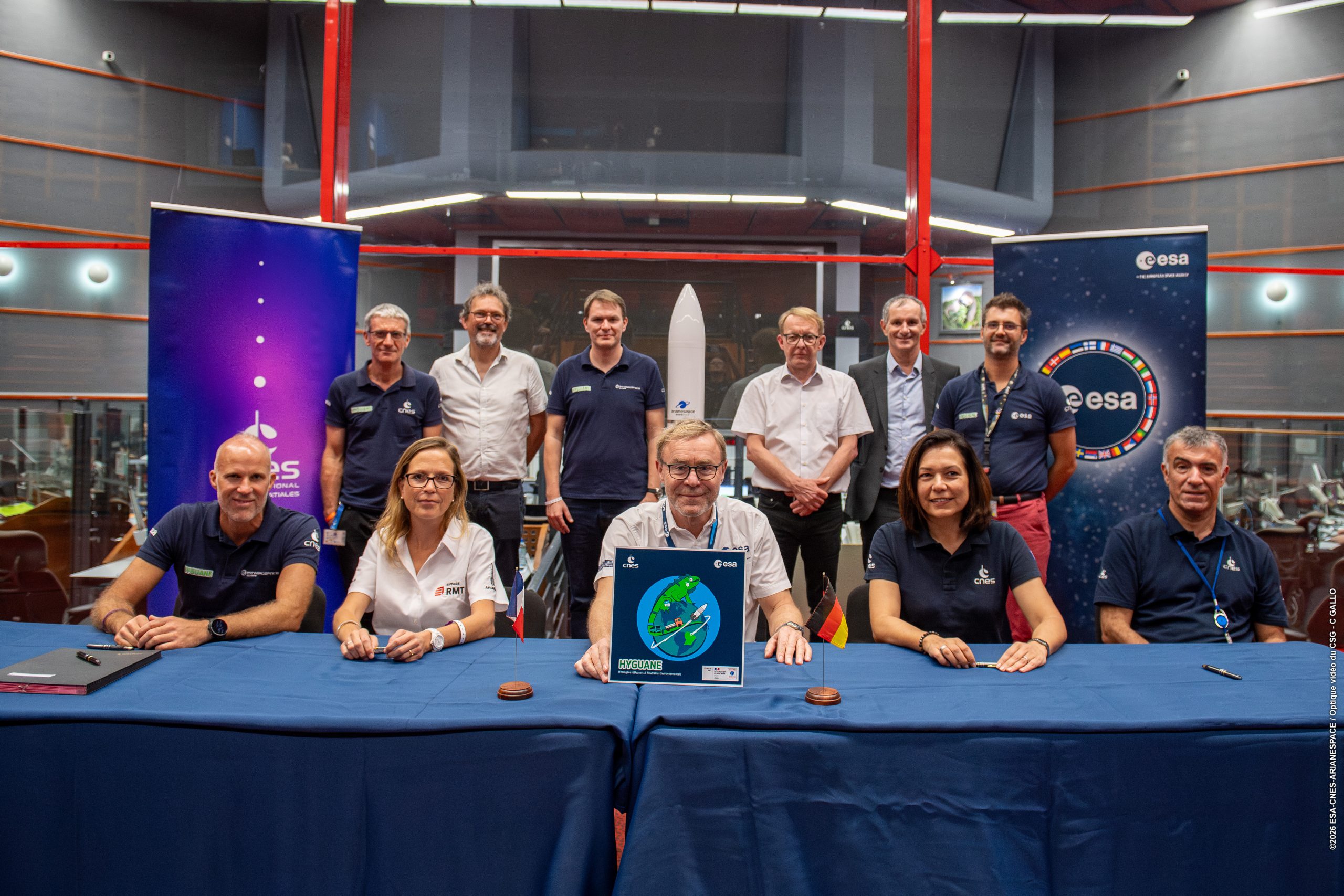
Bildunterschrift zum obigen Bild: Vordere Reihe, von links: Michael Gärtner, Geschäftsführer von MT Aerospace Französisch-Guayana, Nathalie Gouin, Geschäftsführerin von RMT Französisch-Guayana, Toni Tolker-Nielsen, Direktor für Raumtransport bei der ESA, Carine Leveau, Direktorin für Raumtransport beim CNES, Philippe Lier, Direktor des europäischen Weltraumbahnhofs in Französisch-Guayana beim CNES Ein entscheidender Vertrag für das Hyguane-Projekt wurde im Jupiter-Kontrollraum des europäischen Weltraumbahnhofs in Französisch-Guayana unterzeichnet. Der Vertrag bestätigte den Bau eines 4,5-MWp-Solarkraftwerks namens PV3 (drittes Photovoltaikfeld des Weltraumbahnhofs), einem Schlüsselelement des Projekts zur Versorgung des Weltraumbahnhofs mit kohlenstoffarmem Wasserstoff. Bildunterschrift: Unterzeichnungszeremonie im Jupiter-Raum am europäischen Weltraumbahnhof in Französisch-Guayana HYGUANE Hyguane, ein Akronym für ‘Environmentally Neutral Guyanese Hydrogen’, ist ein ehrgeiziges Projekt unter der Leitung der Europäischen Weltraumorganisation (ESA) in Zusammenarbeit mit der französischen Weltraumagentur CNES sowie Partnern aus Industrie und Wissenschaft zur Entwicklung eines Ökosystems für kohlenstoffarmen Wasserstoff am europäischen Weltraumbahnhof in Französisch-Guayana.Julia Talamoni, Ingenieurin für Energiewende im Hyguane-Projekt, erklärt: “Das Hyguane-Projekt zielt darauf ab, kohlenstoffarmen Wasserstoff zur Betankung der Ariane 6 zu produzieren. Derzeit wird der verwendete Wasserstoff in Französisch-Guayana durch Methanol-Dampfreformierung hergestellt. Dieser Prozess verursacht hohe CO₂-Emissionen und erfordert erhebliche Mengen an externer Wärme und Methanol, wodurch der Weltraumbahnhof von externen Lieferungen abhängig ist. Das Hyguane-Projekt ist daher Teil einer umfassenderen Initiative zur Verringerung des CO₂-Fußabdrucks von Weltraumaktivitäten und zielt darauf ab, die Souveränität und Autonomie des europäischen Zugangs zum Weltraum zu stärken.” Für eine kohlenstoffarme Wasserelektrolyse von Wasserstoff muss der verwendete Strom aus einer erneuerbaren Energiequelle stammen. “Die Installation des PV3-Solarparks sorgt für eine kohlenstoffarme Stromversorgung des Wasserelektrolyseurs, was zur Produktion eines “kohlenstoffarmen Moleküls” führt“, erklärt Julia.Das Pilotprojekt von Hyguane zielt darauf ab, 10 bis 15% des jährlichen Wasserstoffbedarfs für Ariane 6 zu produzieren. Darüber hinaus wird das Hyguane-Ökosystem Wasserstoff bereitstellen, um schwere Fahrzeuge in Französisch-Guayana für die regionale Mobilität zu betanken und Energie durch Wasserstoff-Brennstoffzellen zu erzeugen, einschließlich der elektrischen Notstromversorgung kritischer Infrastruktursysteme am europäischen Weltraumbahnhof im Falle eines Stromausfalls.HYGUANE: CO₂-armer Wasserstoff bis 2026. Das Hyguane-Ökosystem wird durch den Bau einer Wasserstofftankstelle und – vorbehaltlich der Finanzierung durch die ESA-Mitgliedstaaten – einer Werkstatt zur Wartung von wasserstoffbetriebenen Fahrzeugen vervollständigt. Die Arbeiten an einer Wasserelektrolyseanlage und einem Wasserstoffaufbereitungszentrum, in dem der erzeugte Wasserstoff komprimiert und für den Transport vorbereitet wird, haben bereits begonnen; die Arbeiten an den anderen Projektkomponenten sollen 2026 anlaufen.Teddy Peponnet, Leiter des Hyguane-Projekts bei der ESA, erklärt: ”Das gesamte HYGUANE-Ökosystem wird in der zweiten Hälfte des Jahres 2027 in Betrieb genommen, womit die erste flugbereite Ariane 6 mit kohlenstoffarmem Wasserstoff betankt wird.‘ Hyguane, ein Akronym für ’Environmentally Neutral Guyanese Hydrogen“, ist ein ehrgeiziges Projekt unter der Leitung der Europäischen Weltraumorganisation (ESA) in Zusammenarbeit mit der französischen Weltraumagentur CNES sowie Partnern aus Industrie und Wissenschaft, dessen Ziel die Entwicklung eines Ökosystems für kohlenstoffarmen Wasserstoff am europäischen Weltraumbahnhof in Französisch-Guayana ist.Julia Talamoni, Ingenieurin für Energiewende im Hyguane-Projekt, erklärt: ”Das Hyguane-Projekt zielt darauf ab, kohlenstoffarmen Wasserstoff zur Betankung der Ariane 6 zu produzieren. Derzeit wird der verwendete Wasserstoff in Französisch-Guayana durch Methanol-Dampfreformierung hergestellt. Dieser Prozess verursacht hohe CO₂-Emissionen und erfordert erhebliche Mengen an externer Wärme und Methanol, wodurch der Weltraumbahnhof von externen Lieferungen abhängig ist. Das Hyguane-Projekt ist daher Teil einer umfassenderen Initiative zur Verringerung des CO₂-Fußabdrucks von Weltraumaktivitäten und zielt darauf ab, die Souveränität und Autonomie des europäischen Zugangs zum Weltraum zu stärken.“ Für eine kohlenstoffarme Wasserelektrolyse von Wasserstoff muss der verwendete Strom aus einer erneuerbaren Energiequelle stammen. “Die Installation des PV3-Solarparks sorgt für eine kohlenstoffarme Stromversorgung des Wasserelektrolyseurs, was zur Produktion eines ”kohlenstoffarmen Moleküls“ führt”, erklärt Julia.Das Pilotprojekt von Hyguane zielt darauf ab, 10 bis 15% des jährlichen Wasserstoffbedarfs für Ariane 6 zu produzieren. Darüber hinaus wird das Hyguane-Ökosystem Wasserstoff bereitstellen, um schwere Fahrzeuge in Französisch-Guayana für die regionale Mobilität zu betanken und Energie durch Wasserstoff-Brennstoffzellen zu erzeugen, einschließlich der elektrischen Notstromversorgung kritischer Infrastruktursysteme am europäischen Weltraumbahnhof im Falle eines Stromausfalls.HYGUANE: CO₂-armer Wasserstoff bis 2026. Das Hyguane-Ökosystem wird durch den Bau einer Wasserstofftankstelle und – vorbehaltlich der Finanzierung durch die ESA-Mitgliedstaaten – einer Werkstatt zur Wartung von wasserstoffbetriebenen Fahrzeugen vervollständigt. Die Arbeiten an einer Wasserelektrolyseanlage und einem Wasserstoffaufbereitungszentrum, in dem der erzeugte Wasserstoff komprimiert und für den Transport vorbereitet wird, haben bereits begonnen; die Arbeiten an den anderen Projektkomponenten sollen 2026 anlaufen.Teddy Peponnet, Leiter des Hyguane-Projekts bei der ESA, erklärt: „Das gesamte HYGUANE-Ökosystem wird in der zweiten Hälfte des Jahres 2027 in Betrieb genommen, womit die erste flugbereite Ariane 6 mit kohlenstoffarmem Wasserstoff als Treibstoff unter Vertrag genommen wird.“ Klicken Sie hier / ESA Space Transportation
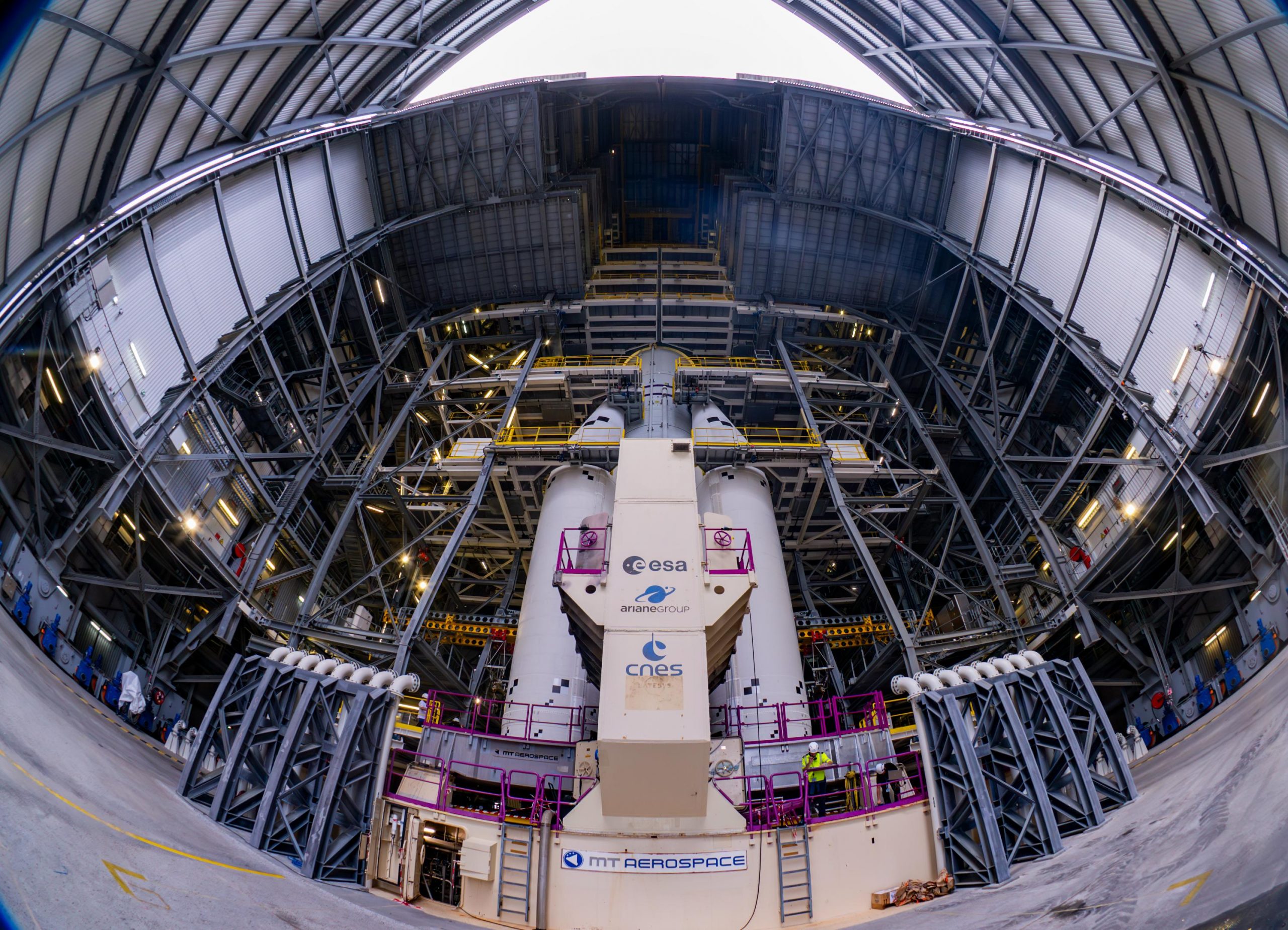
Ariane 6 Vierfach-Booster Variante A64 verändert das Spiel (Start VA267 im Februar)
Am 12. Februar 2026 hob Ariane 6 zum ersten Mal in ihrer A64-Konfiguration in Kourou ab und markierte damit einen bedeutenden neuen Meilenstein für die europäische Rakete nach ihrem Jungfernflug im Juli 2024. Der sechste Flug von Ariane 6 ist keine Kleinigkeit. Am Donnerstag, den 12. Februar, hob die europäische Rakete zum ersten Mal in ihrer leistungsstärksten A64-Konfiguration ab. Nach fünf erfolgreichen Flügen mit der A62-Variante mit geringerem Schub vom Weltraumbahnhof Kourou markiert dieser Start eine Steigerung der Hubkapazität und Startrate, 18 Monate nach ihrem Jungfernflug. VA267 MT-Aerospace Team, das den beeindruckenden Start im Februar dieses Jahres miterlebte:
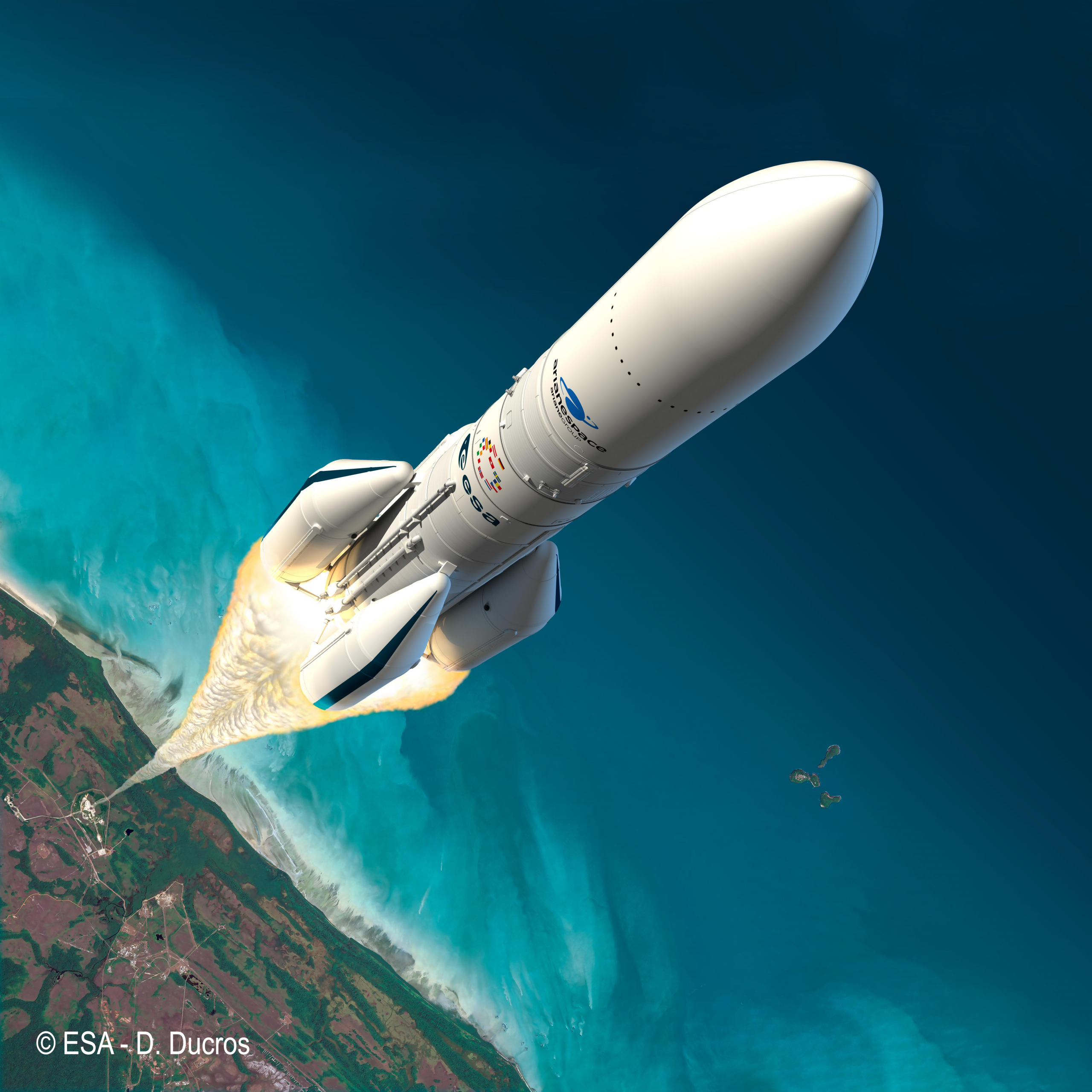
Ariane-6-Rakete soll im Jahr 2026 achtmal starten
Die europäische Trägerrakete Ariane 6 soll in diesem Jahr bis zu acht Mal ins All fliegen. “Das ist eine beachtliche Steigerung für eine große Trägerrakete”, sagte Martin Sion, CEO des Raumfahrtunternehmens ArianeGroup, am Montag in Courbevoie, westlich von Paris. Damit verdoppelt das Unternehmen zwar die Zahl seiner Flüge ins All, bleibt aber immer noch weit hinter seinem US-Konkurrenten SpaceX zurück. ganzen Artikel lesen : Ariane-6-Rakete soll 2026 bis zu acht Mal starten | STERN.de
MT-Aerospace / Image Trailer
https://vimeo.com/1151660497?share=copy&fl=sv&fe=ci
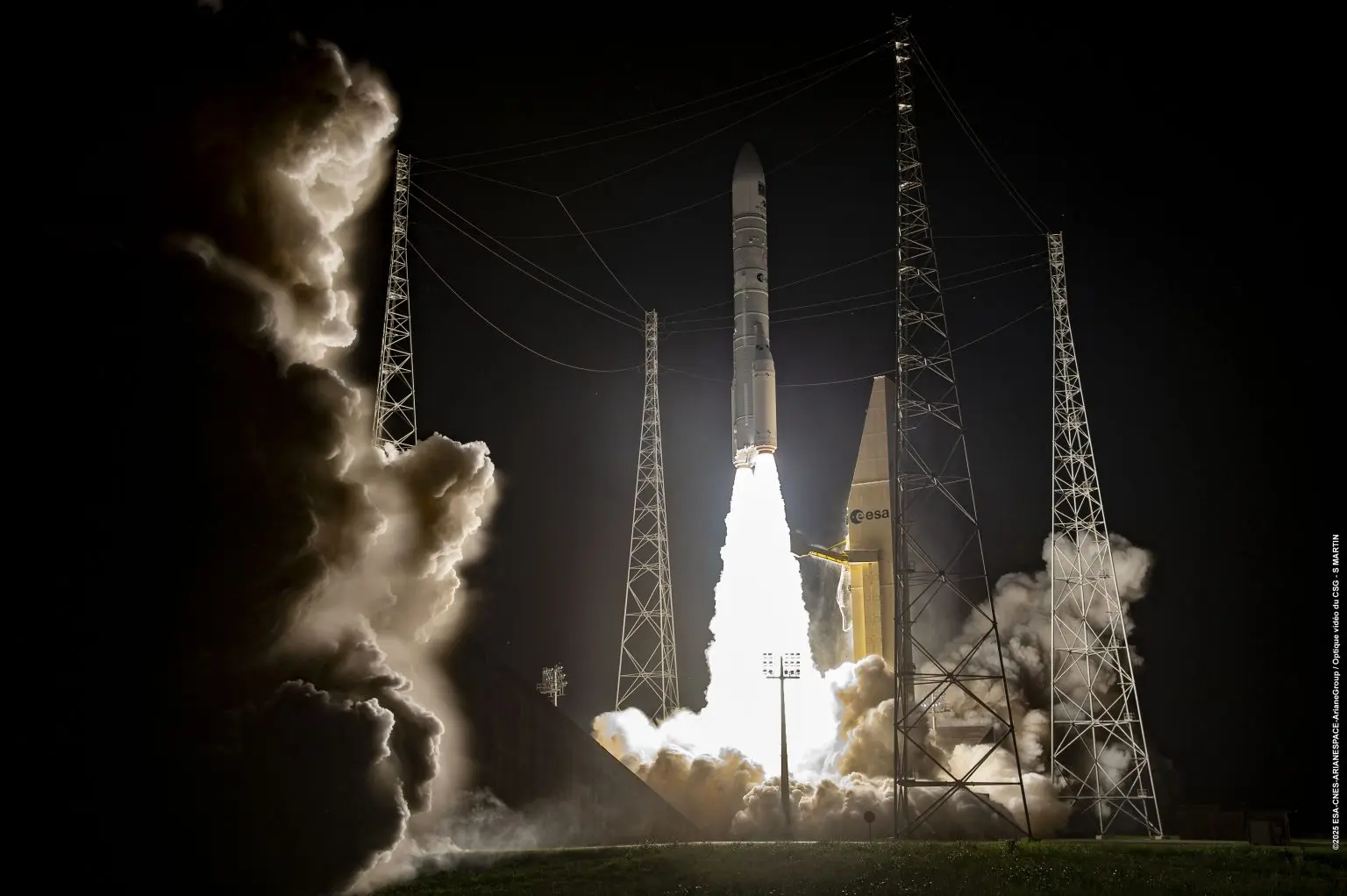
Ariane 6 - VA266 erfolgreich gestartet
Ariane 6 VA266 erfolgreich gestartet - letzter Start im Jahr 2025
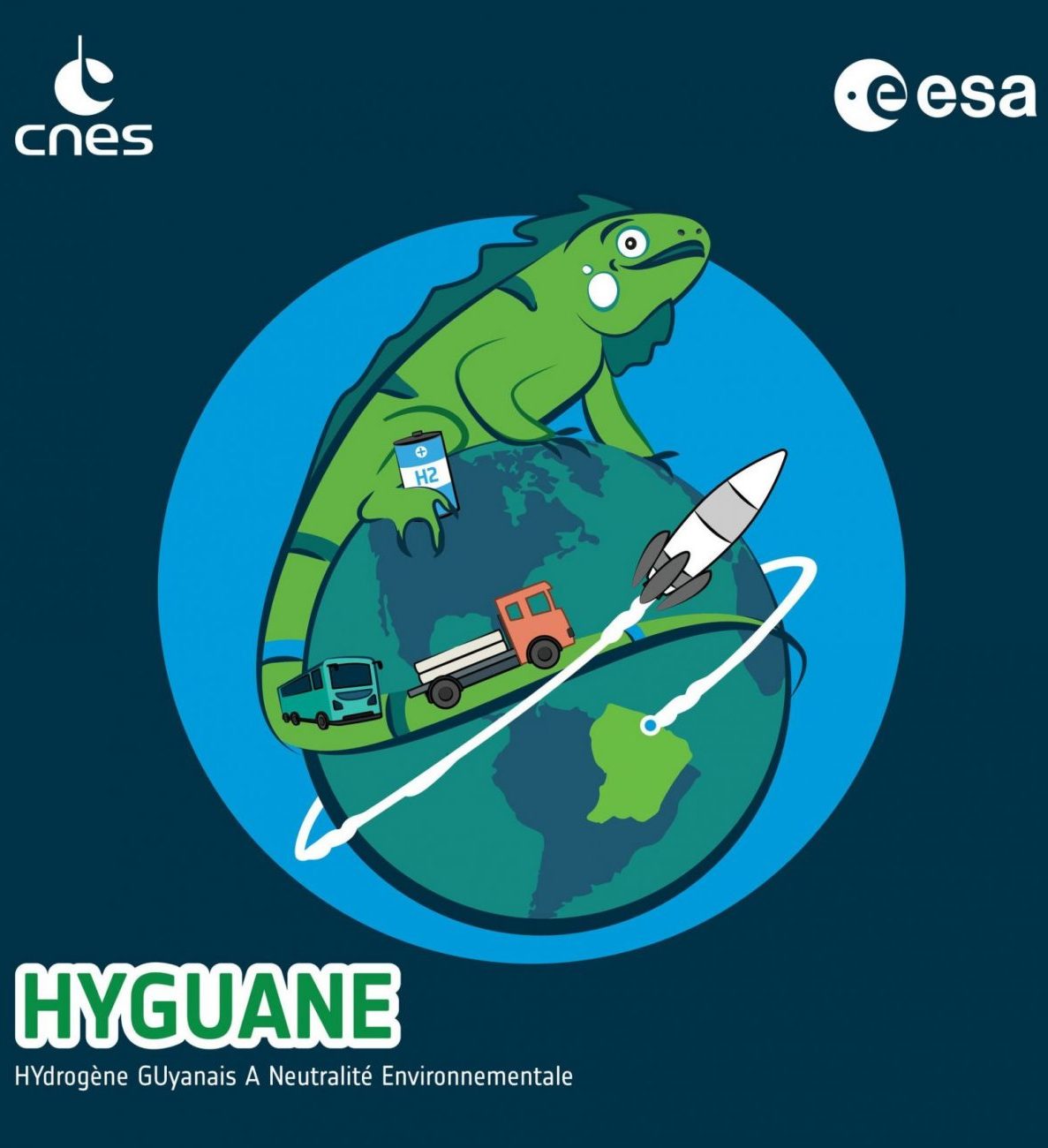
Wasserstoff ist die treibende Kraft für zukünftige dekarbonisierte Mobilitätslösungen
Wasserstoff-Kompetenzzentrum - HYGUANE
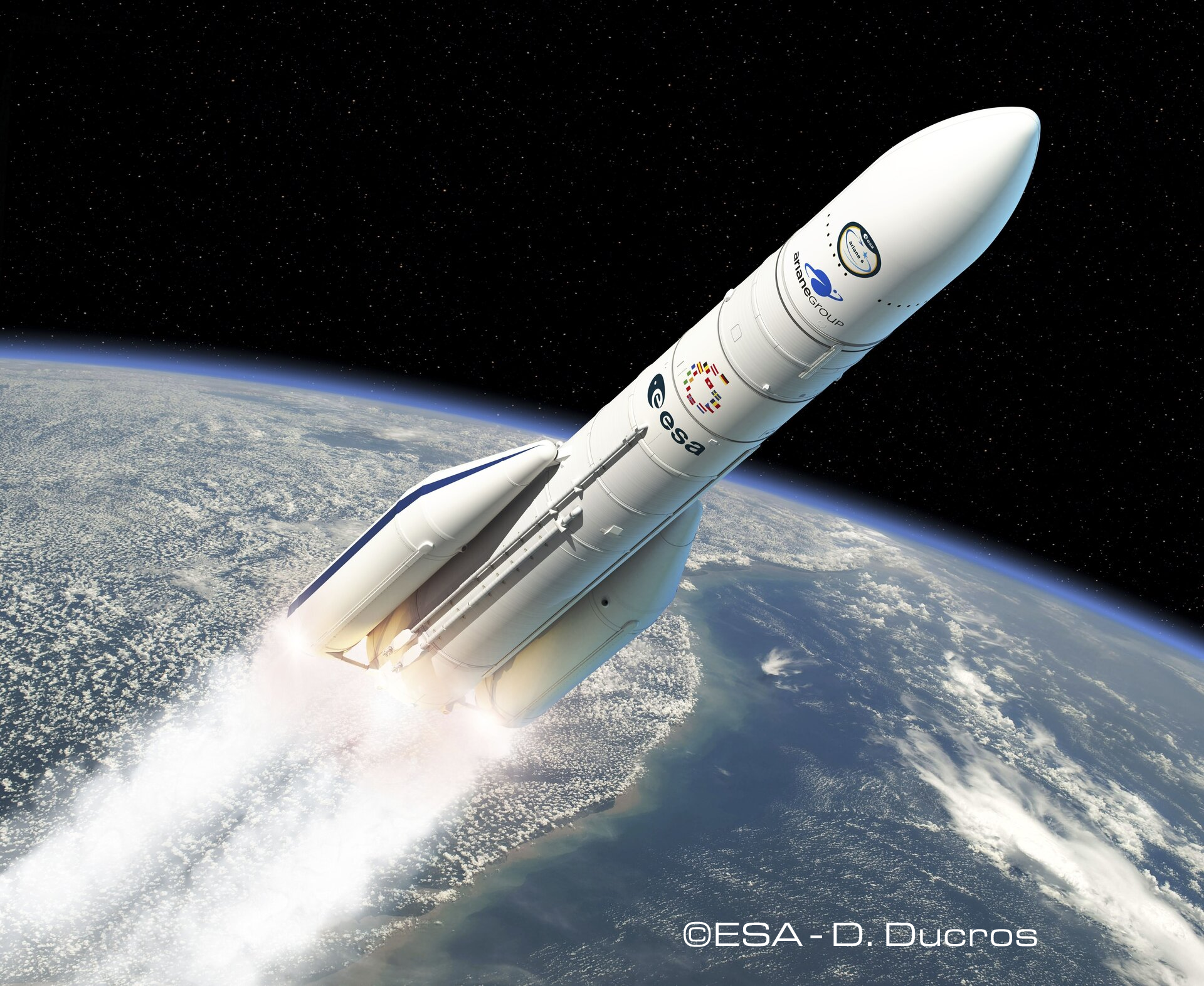
MT Aerospace AG erhält Auftrag über Strukturteile für die Raketen-Booster-Produktion der Ariane 6
MT Aerospace AG wurde am 25.09.2025 von ArianeGroup mit der Serienproduktion zentraler Strukturbauteile und Tanks der Flugmodelle 16 bis 42 für die europäische Trägerrakete Ariane 6 beauftragt. Die Vertragsunterzeichnung fand im Rahmen des Weltraumkongresses in Berlin statt.
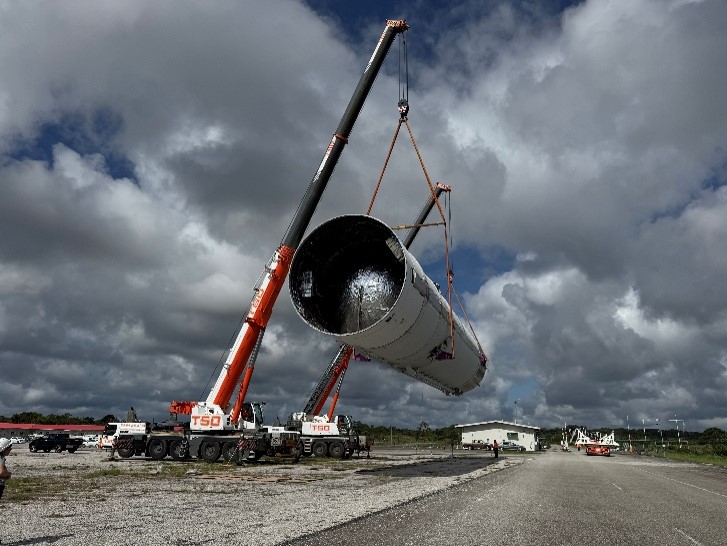
Interview mit Regisseur Michael Gärtner
Die Starttische und Anlagen auf dem Weltraumbahnhof Kourou sind eindrucksvoll. Sie müssen aber auch zu 100 Prozent verlässlich funktionieren. Und daran ist mit MT Aerospace Guyane ein deutsches Unternehmen maßgeblich beteiligt.