

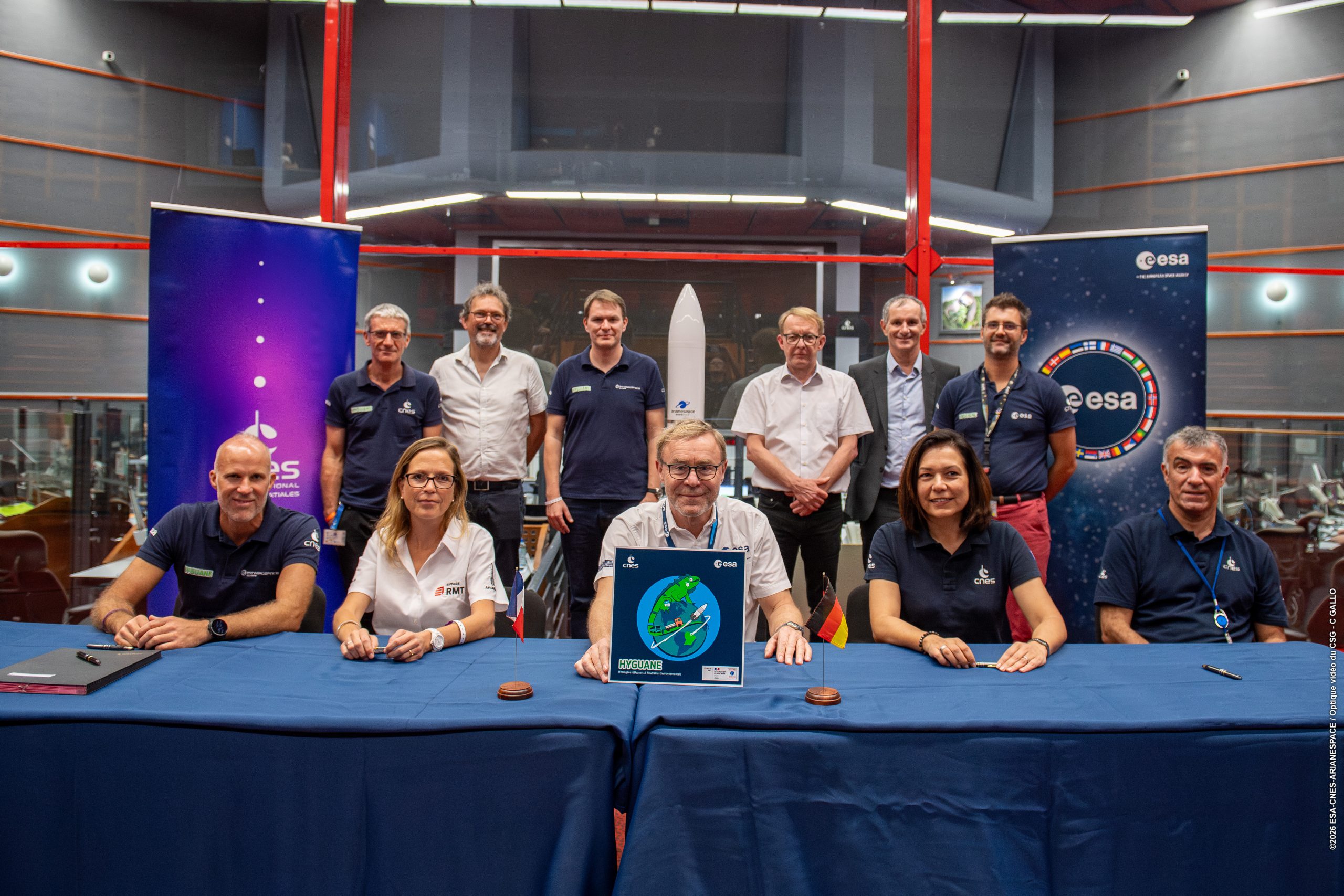
Didascalia dell'immagine sopra: In prima fila, da sinistra: Michael Gärtner, amministratore delegato di MT Aerospace Guyana Francese, Nathalie Gouin, amministratore delegato di RMT Guyana Francese, Toni Tolker-Nielsen, direttore del trasporto spaziale dell’ESA, Carine Leveau, direttrice del trasporto spaziale del CNES, Philippe Lier, direttore del porto spaziale europeo in Guyana Francese del CNES. Un contratto cruciale per il progetto Hyguane è stato firmato nella sala di controllo Jupiter presso il porto spaziale europeo in Guyana Francese. Il contratto ha confermato la costruzione di un impianto solare da 4,5 MWp denominato PV3 (terzo campo fotovoltaico – PV – del porto spaziale), un elemento chiave del progetto per la fornitura di idrogeno a basse emissioni di carbonio per il porto spaziale. Didascalia: Cerimonia di firma nella Jupiter Room presso lo Spaceport europeo in Guyana francese HYGUANE Hyguane, acronimo che sta per "Environmentally Neutral Guyanese Hydrogen" (Idrogeno della Guyana a impatto ambientale neutro), è un progetto ambizioso guidato dall'Agenzia Spaziale Europea (ESA) in collaborazione con l'agenzia spaziale francese CNES e partner industriali e accademici per sviluppare un ecosistema di idrogeno a basse emissioni di carbonio presso lo Spaceport europeo in Guyana francese.Julia Talamoni, ingegnere di transizione energetica per il progetto Hyguane, spiega: ‘Il progetto Hyguane mira a produrre idrogeno a basse emissioni di carbonio per alimentare Ariane 6. Attualmente, l’idrogeno in uso è prodotto nella Guyana francese tramite il reforming a vapore del metanolo. Questo processo produce elevate quantità di carbonio e richiede un significativo apporto esterno di calore e metanolo, rendendo il porto spaziale dipendente da una fornitura esterna. Il progetto Hyguane fa quindi parte di un’iniziativa più ampia volta a ridurre l’impronta di carbonio delle attività spaziali e lavora per rafforzare la sovranità e l’autonomia dell’accesso europeo allo spazio’. Per un’elettrolisi dell’acqua a basse emissioni di carbonio, l’elettricità utilizzata deve provenire da una fonte di energia rinnovabile. “L’installazione del parco solare PV3 fornisce un’alimentazione a basse emissioni di carbonio all’elettrolizzatore d’acqua, portando alla produzione di una ”molecola a basse emissioni di carbonio““, spiega Julia.Il progetto pilota di Hyguane mirerà a produrre da 10 a 15% di idrogeno all’anno per le esigenze di Ariane 6. Oltre a ciò, l’ecosistema Hyguane fornirà idrogeno per alimentare veicoli pesanti nella Guyana francese per la mobilità regionale e per produrre energia tramite celle a combustibile a idrogeno, compreso il backup elettrico dei sistemi infrastrutturali critici presso lo Spaceport europeo in caso di black-out.HYGUANE Idrogeno a basse emissioni di carbonio entro il 2026. L’ecosistema Hyguane sarà completato con la costruzione di una stazione di rifornimento di idrogeno e, in attesa dei finanziamenti da parte degli Stati membri dell’ESA, di un’officina per la manutenzione dei veicoli alimentati a idrogeno. I lavori sono già iniziati per un impianto di elettrolisi dell’acqua e un centro di condizionamento dell’idrogeno utilizzato per comprimere e preparare l’idrogeno prodotto per il trasporto, mentre i lavori sugli altri elementi del progetto dovrebbero iniziare nel 2026.Secondo Teddy Peponnet, responsabile del progetto Hyguane presso l’ESA, ”l’ecosistema HYGUANE completo entrerà in funzione entro la seconda metà del 2027, con la firma del primo Ariane 6 alimentato a idrogeno a basse emissioni di carbonio pronto al volo“. Hyguane, acronimo che sta per ”Environmentally Neutral Guyanese Hydrogen‘ (Idrogeno della Guyana a impatto ambientale neutro), è un progetto ambizioso guidato dall’Agenzia Spaziale Europea (ESA) in collaborazione con l’agenzia spaziale francese CNES e partner industriali e accademici per sviluppare un ecosistema di idrogeno a basse emissioni di carbonio presso lo spazioporto europeo nella Guyana francese.Julia Talamoni, ingegnere di transizione energetica per il progetto Hyguane, spiega: ’Il progetto Hyguane mira a produrre idrogeno a basse emissioni di carbonio per alimentare Ariane 6. Attualmente, l’idrogeno in uso è prodotto in Guyana Francese tramite il reforming a vapore del metanolo. Questo processo produce elevate quantità di carbonio e richiede un significativo apporto esterno di calore e metanolo, rendendo il porto spaziale dipendente da una fornitura esterna. Il progetto Hyguane fa quindi parte di un’iniziativa più ampia volta a ridurre l’impronta di carbonio delle attività spaziali e lavora per rafforzare la sovranità e l’autonomia dell’accesso europeo allo spazio“. Per un’elettrolisi dell’acqua a basse emissioni di carbonio, l’elettricità utilizzata deve provenire da una fonte di energia rinnovabile. ”L’installazione del parco solare PV3 fornisce un’alimentazione a basse emissioni di carbonio all’elettrolizzatore d’acqua, portando alla produzione di una “molecola a basse emissioni di carbonio“”, spiega Julia.Il progetto pilota di Hyguane mirerà a produrre da 10 a 15% di idrogeno all’anno per le esigenze di Ariane 6. Oltre a ciò, l’ecosistema Hyguane fornirà idrogeno per alimentare veicoli pesanti nella Guyana francese per la mobilità regionale e per produrre energia tramite celle a combustibile a idrogeno, compreso il backup elettrico dei sistemi infrastrutturali critici presso lo Spaceport europeo in caso di black-out.HYGUANE Idrogeno a basse emissioni di carbonio entro il 2026. L’ecosistema Hyguane sarà completato con la costruzione di una stazione di rifornimento di idrogeno e, in attesa dei finanziamenti da parte degli Stati membri dell’ESA, di un’officina per la manutenzione dei veicoli alimentati a idrogeno. Sono già iniziati i lavori per un impianto di elettrolisi dell’acqua e un centro di condizionamento dell’idrogeno utilizzato per comprimere e preparare l’idrogeno prodotto per il trasporto, mentre i lavori sugli altri elementi del progetto dovrebbero iniziare nel 2026.Secondo Teddy Peponnet, responsabile del progetto Hyguane dell'ESA, “L'ecosistema HYGUANE completo entrerà in funzione entro la seconda metà del 2027, con la firma del primo Ariane 6 alimentato a idrogeno a basse emissioni di carbonio pronto al volo”. Clicca qui / Trasporto spaziale dell'ESA
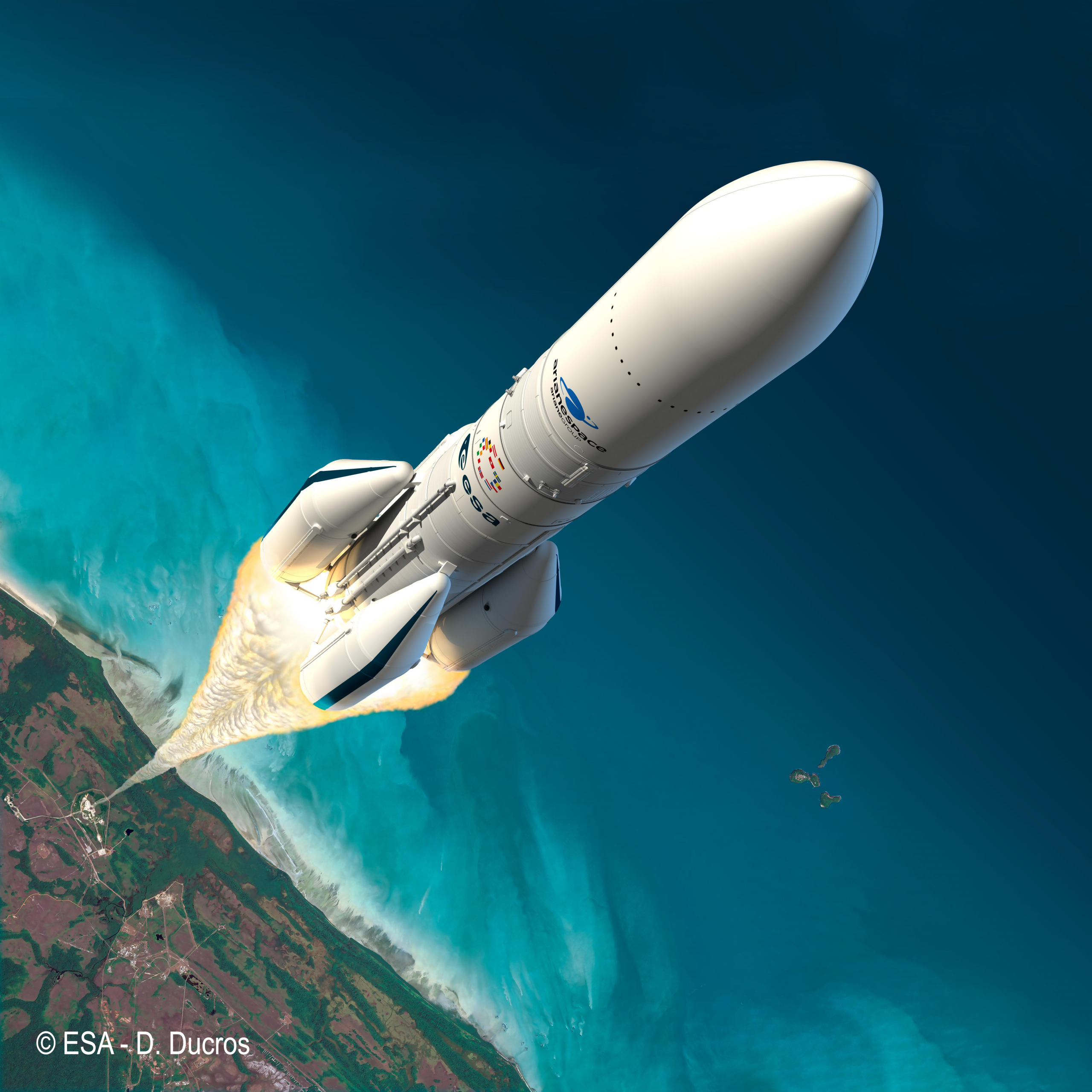
La variante Ariane 6 a quattro booster A64 cambia le regole del gioco (lancio VA267 a febbraio)
Il 12 febbraio 2026, Ariane 6 è decollata da Kourou per la prima volta nella sua configurazione A64, segnando una nuova, importante pietra miliare per il lanciatore europeo dopo il suo volo inaugurale nel luglio 2024. Il sesto volo di Ariane 6 non è impresa da poco. Giovedì 12 febbraio, il lanciatore europeo è decollato per la prima volta nella sua configurazione A64, la più potente. Dopo cinque voli consecutivi riusciti con la variante A62 a minor spinta dal Centro spaziale della Guiana, questo lancio segna un aumento della capacità di sollevamento e della frequenza dei lanci, a 18 mesi dal suo volo inaugurale. VA267 Il team MT-Aerospace assiste all'imponente lancio avvenuto a febbraio di quest'anno:
Il razzo Ariane-6 sarà lanciato otto volte nel 2026
Il vettore europeo Ariane 6 dovrebbe volare nello spazio fino a otto volte quest'anno. “Si tratta di un aumento considerevole per un veicolo di lancio di grandi dimensioni”, ha dichiarato Martin Sion, CEO dell'azienda aerospaziale ArianeGroup, lunedì a Courbevoie, a ovest di Parigi. Pur raddoppiando il numero di voli nello spazio, l'azienda è ancora molto indietro rispetto al concorrente statunitense SpaceX. leggi tutto l'articolo : Ariane-6-Rakete soll 2026 bis zu acht Mal starten | STERN.de
MT-Aerospace / Trailer immagine
https://vimeo.com/1151660497?share=copy&fl=sv&fe=ci
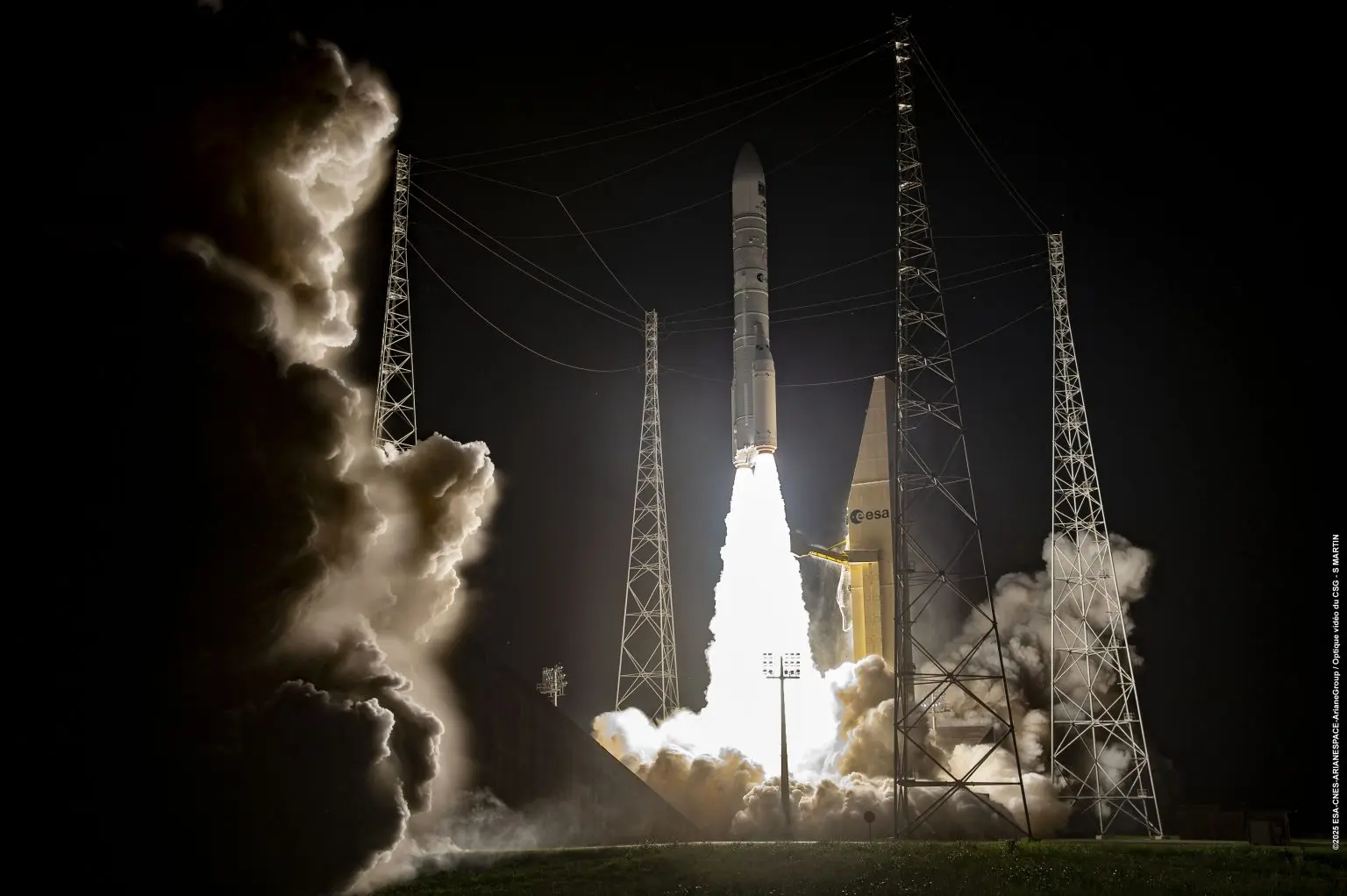
Ariane 6 - lancio riuscito VA266
Lancio Ariane 6 VA266 riuscito - ultimo lancio nel 2025
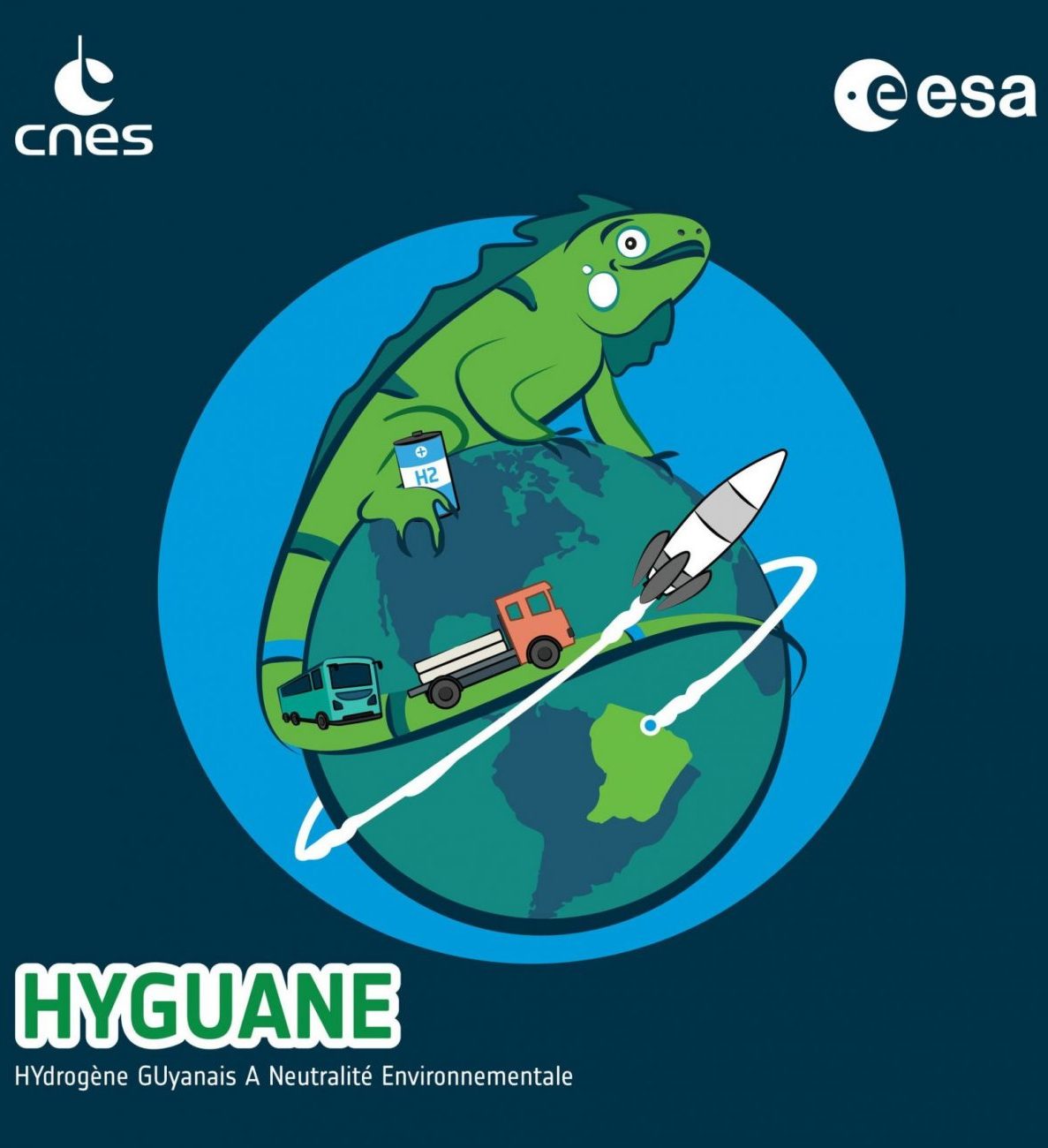
L'idrogeno è il motore delle future soluzioni di mobilità decarbonizzata
Centro di competenza idrogeno - HYGUANE
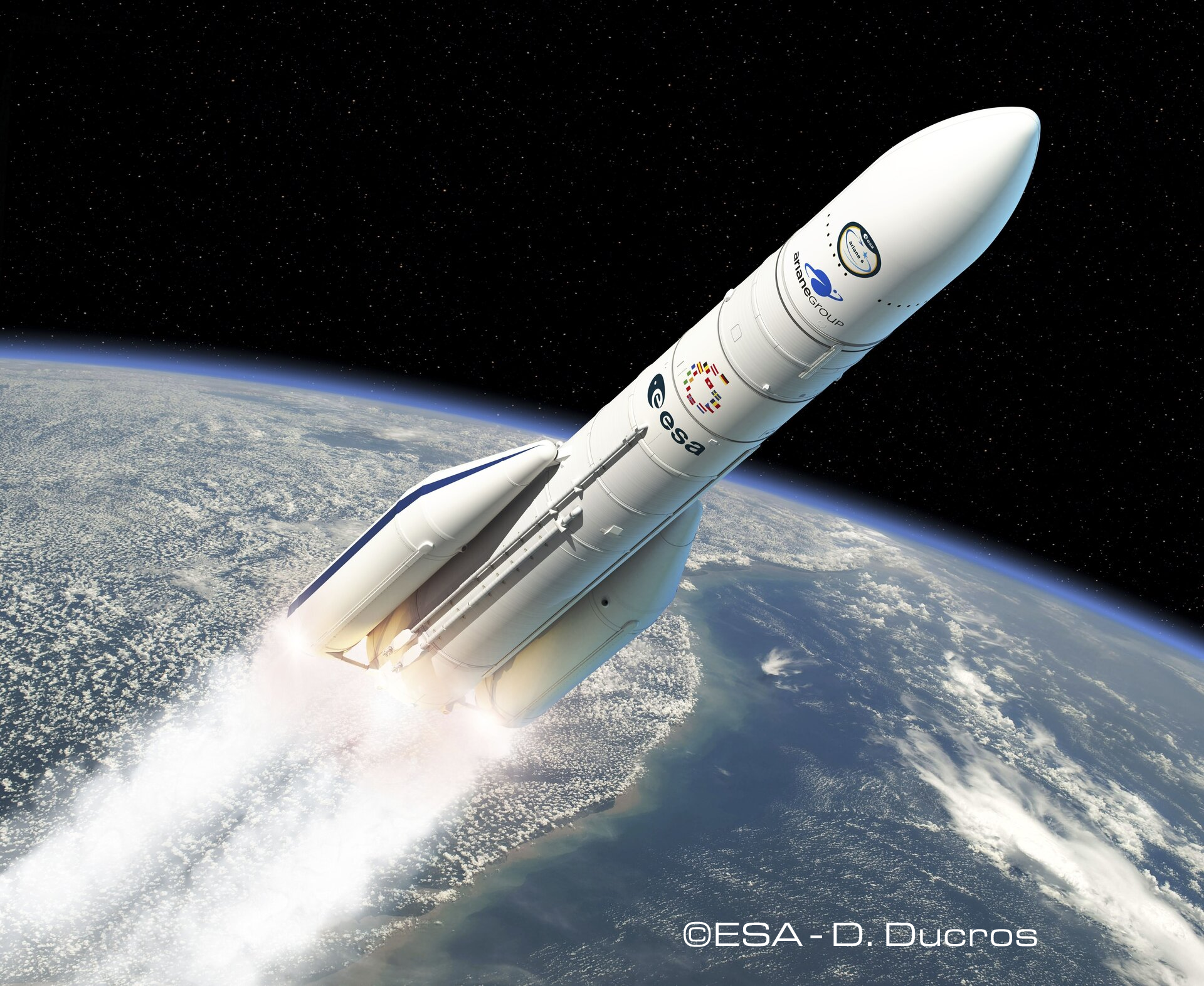
MT Aerospace AG riceve un ordine per parti strutturali per la produzione di Rocket-Booster per Ariane 6
MT Aerospace AG è stata fondata il 25.09.2025 da ArianeGroup con la produzione di strutture centrali e serbatoi dei modelli 16 e 42 per la trilancia europea Ariane 6. La definizione del Vertragsunterzeichnung è avvenuta nel quadro del Weltraumkongresses di Berlino.
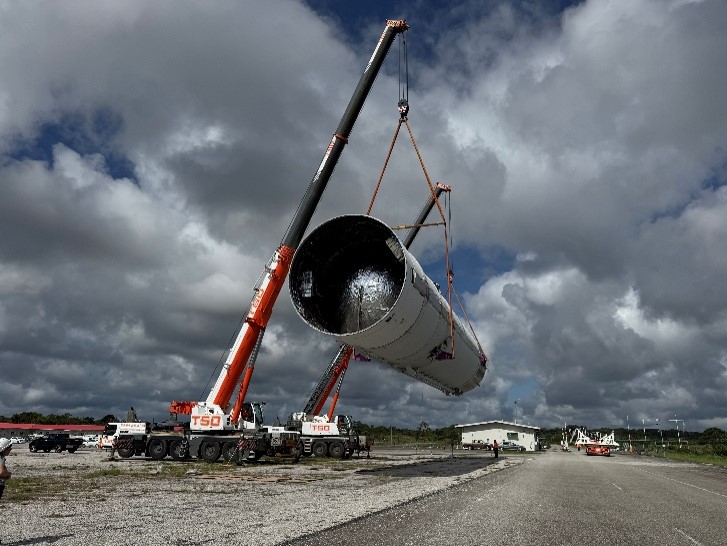
Intervista al regista Michael Gärtner
Gli impianti e le attrezzature della Weltraumbahnhof Kourou sono perfetti. Devono però funzionare al 100 percento in modo vertiginoso. E daran è con MT Aerospace Guyane un'azienda tedesca molto impegnata.