

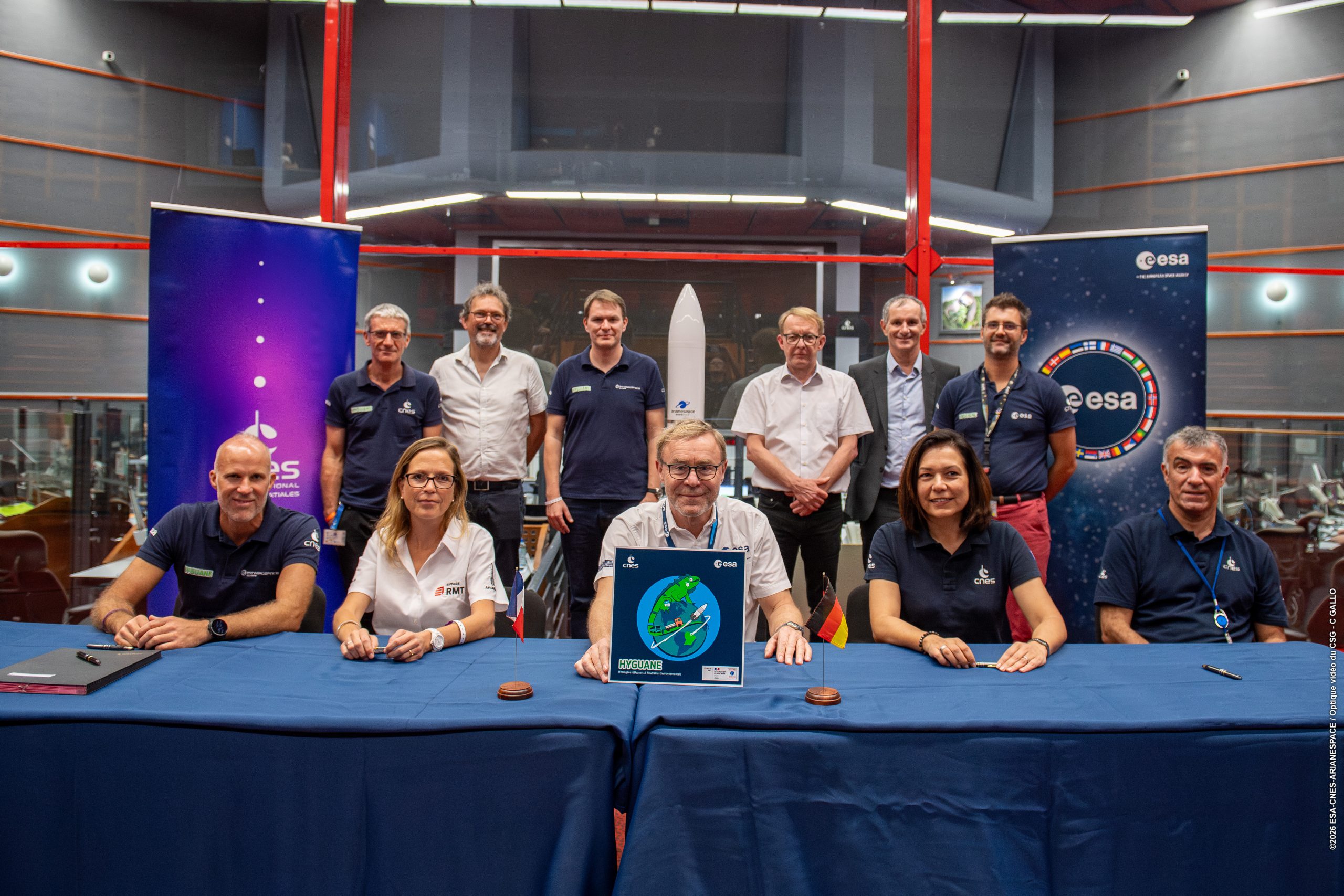
Légende de la photo ci-dessus : Au premier rang, de gauche à droite : Michael Gärtner, directeur général de MT Aerospace Guyane, Nathalie Gouin, directrice générale de RMT Guyane, Toni Tolker-Nielsen, directeur des transports spatiaux de l’ESA, Carine Leveau, directrice des transports spatiaux du CNES, et Philippe Lier, directeur du Port spatial européen en Guyane au CNES Un contrat crucial pour le projet Hyguane a été signé dans la salle de contrôle Jupiter du Port spatial européen en Guyane. Ce contrat confirme la construction d’une centrale solaire de 4,5 MWc baptisée PV3 (3e champ photovoltaïque – PV – du Port spatial), un élément clé du projet visant à fournir de l’hydrogène à faible empreinte carbone au Port spatial. Légende : Cérémonie de signature dans la salle Jupiter du Port spatial européen en Guyane HYGUANE Hyguane, acronyme signifiant ‘ Hydrogène guyanais neutre pour l’environnement ’, est un projet ambitieux mené par l’Agence spatiale européenne (ESA) en collaboration avec l’agence spatiale française CNES et des partenaires industriels et universitaires, visant à développer un écosystème d’hydrogène à faible teneur en carbone au Port spatial européen en Guyane.Julia Talamoni, ingénieure en transition énergétique pour le projet Hyguane, explique : “ Le projet Hyguane vise à produire de l’hydrogène à faible teneur en carbone pour alimenter Ariane 6. Actuellement, l’hydrogène utilisé est produit en Guyane par reformage à la vapeur du méthanol. Ce procédé génère d’importantes quantités de carbone et nécessite un apport externe significatif de chaleur et de méthanol, rendant le port spatial dépendant d’un approvisionnement externe. Le projet Hyguane s’inscrit donc dans une initiative plus large visant à réduire l’empreinte carbone des activités spatiales et œuvre au renforcement de la souveraineté et de l’autonomie de l’accès européen à l’espace. ” Pour une électrolyse de l’eau à faible émission de carbone, l’électricité utilisée doit provenir d’une source d’énergie renouvelable. “ L’installation du parc solaire PV3 fournit une alimentation électrique à faible émission de carbone à l’électrolyseur d’eau, ce qui permet de produire une “ molécule à faible émission de carbone ”, explique Julia.Le projet pilote Hyguane visera à produire 10 à 15% des besoins en hydrogène d’Ariane 6 par an. Au-delà de cela, l’écosystème Hyguane fournira de l’hydrogène pour alimenter des véhicules lourds en Guyane française à des fins de mobilité régionale et pour produire de l’énergie via des piles à combustible à hydrogène, y compris l’alimentation électrique de secours des systèmes d’infrastructures critiques du Port spatial européen en cas de coupure de courant.HYGUANE : de l’hydrogène à faible empreinte carbone d’ici 2026. L’écosystème Hyguane sera complété par la construction d’une station de ravitaillement en hydrogène et, sous réserve du financement des États membres de l’ESA, d’un garage pour l’entretien des véhicules à hydrogène. Les travaux ont déjà commencé sur une usine d’électrolyse de l’eau et un centre de conditionnement de l’hydrogène servant à comprimer et à préparer l’hydrogène produit pour le transport, les travaux sur les autres éléments du projet devant débuter en 2026.Selon Teddy Peponnet, responsable du projet Hyguane à l’ESA, “ l’écosystème HYGUANE complet sera mis en service d’ici le second semestre 2027, marquant ainsi la mise en service de la première Ariane 6 alimentée en hydrogène à faible empreinte carbone, prête à voler. ” Hyguane, acronyme de ‘ Hydrogène guyanais neutre pour l’environnement ’, est un projet ambitieux mené par l’Agence spatiale européenne (ESA) en collaboration avec l’agence spatiale française CNES et des partenaires industriels et universitaires, visant à développer un écosystème d’hydrogène à faible empreinte carbone au Port spatial européen en Guyane française.Julia Talamoni, ingénieure en transition énergétique pour le projet Hyguane, explique : “ Le projet Hyguane vise à produire de l’hydrogène à faible teneur en carbone pour alimenter Ariane 6. Actuellement, l’hydrogène utilisé est produit en Guyane par reformage à la vapeur du méthanol. Ce procédé génère d’importantes quantités de carbone et nécessite un apport externe significatif de chaleur et de méthanol, rendant le port spatial dépendant d’un approvisionnement externe. Le projet Hyguane s’inscrit donc dans une initiative plus large visant à réduire l’empreinte carbone des activités spatiales et œuvre au renforcement de la souveraineté et de l’autonomie de l’accès européen à l’espace. ” Pour une électrolyse de l’eau à faible émission de carbone, l’électricité utilisée doit provenir d’une source d’énergie renouvelable. “ L’installation du parc solaire PV3 fournit une alimentation électrique à faible émission de carbone à l’électrolyseur d’eau, ce qui permet de produire une “ molécule à faible émission de carbone ”, explique Julia.Le projet pilote Hyguane visera à produire 10 à 15% des besoins en hydrogène d’Ariane 6 par an. Au-delà de cela, l’écosystème Hyguane fournira de l’hydrogène pour alimenter des véhicules lourds en Guyane française à des fins de mobilité régionale et pour produire de l’énergie via des piles à combustible à hydrogène, y compris l’alimentation électrique de secours des systèmes d’infrastructures critiques du port spatial européen en cas de panne de courant.HYGUANE : de l’hydrogène à faible empreinte carbone d’ici 2026. L’écosystème Hyguane sera complété par la construction d’une station de ravitaillement en hydrogène et, sous réserve du financement des États membres de l’ESA, d’un garage pour l’entretien des véhicules à hydrogène. Les travaux ont déjà commencé sur une usine d’électrolyse de l’eau et un centre de conditionnement de l’hydrogène servant à comprimer et à préparer l’hydrogène produit pour le transport, les travaux sur les autres éléments du projet devant débuter en 2026.Selon Teddy Peponnet, responsable du projet Hyguane à l'ESA, “ l'écosystème HYGUANE complet sera mis en service d'ici le second semestre 2027, marquant ainsi la mise en service de la première Ariane 6 alimentée en hydrogène à faible empreinte carbone et prête à voler. ” Cliquez ici / Transport spatial de l'ESA
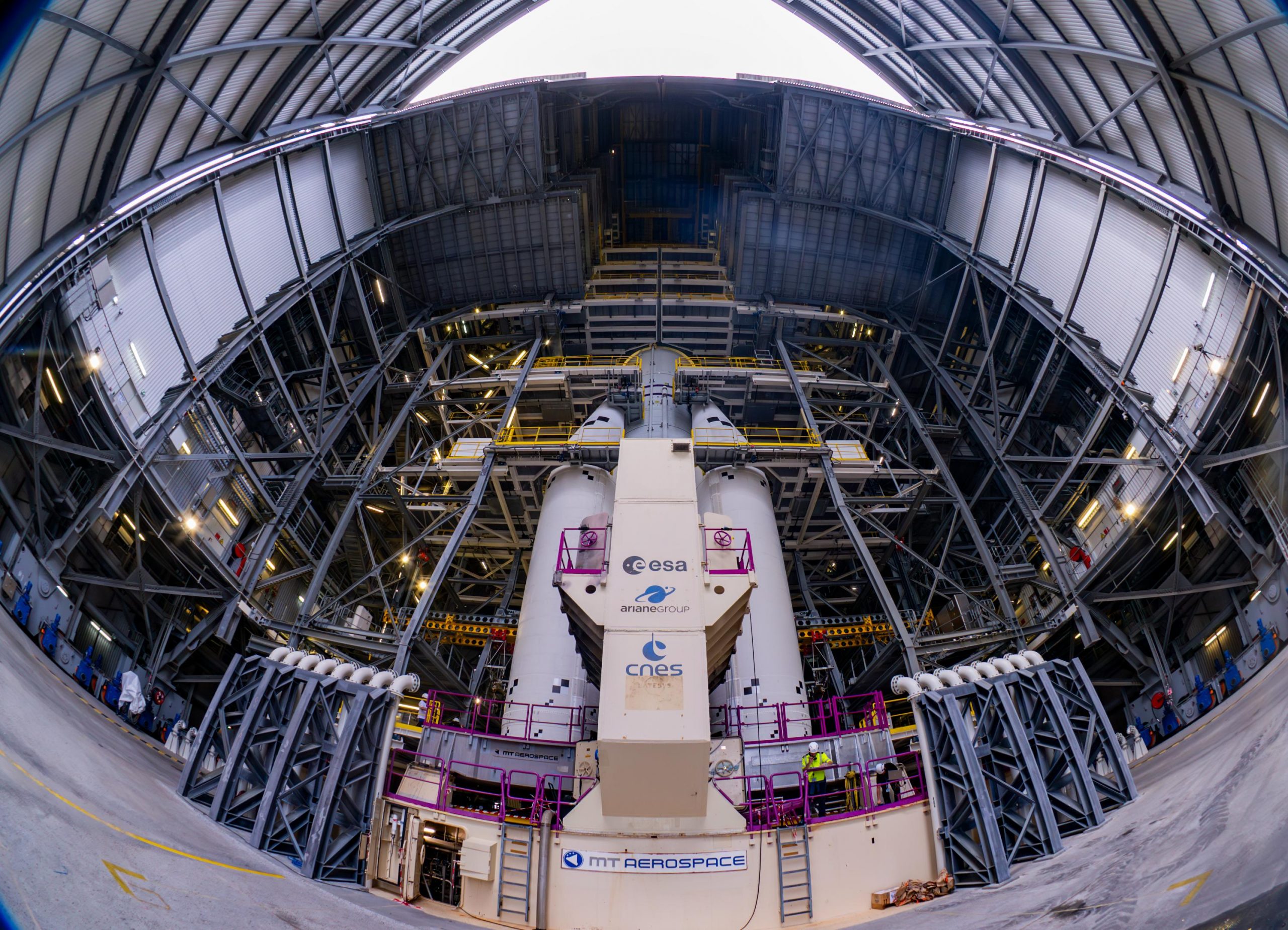
Ariane 6 version A64 à quatre propulseurs change la donne (lancement VA267 en février)
Le 12 février 2026, Ariane 6 décollait de Kourou pour la première fois dans sa configuration A64, marquant une nouvelle étape majeure pour le lanceur européen après son vol inaugural en juillet 2024. Le sixième vol d'Ariane 6 n'est pas une mince affaire. Jeudi 12 février, le lanceur européen s'envolait pour la première fois dans sa configuration la plus puissante, l'A64. Après cinq vols réussis avec la variante A62 à poussée réduite depuis le Centre Spatial Guyanais, ce lancement marque une augmentation de la capacité d'emport et du rythme des lancements, 18 mois après son vol inaugural. L'équipe VA267 MT-Aerospace témoigne de cet impressionnant lancement en février de cette année :
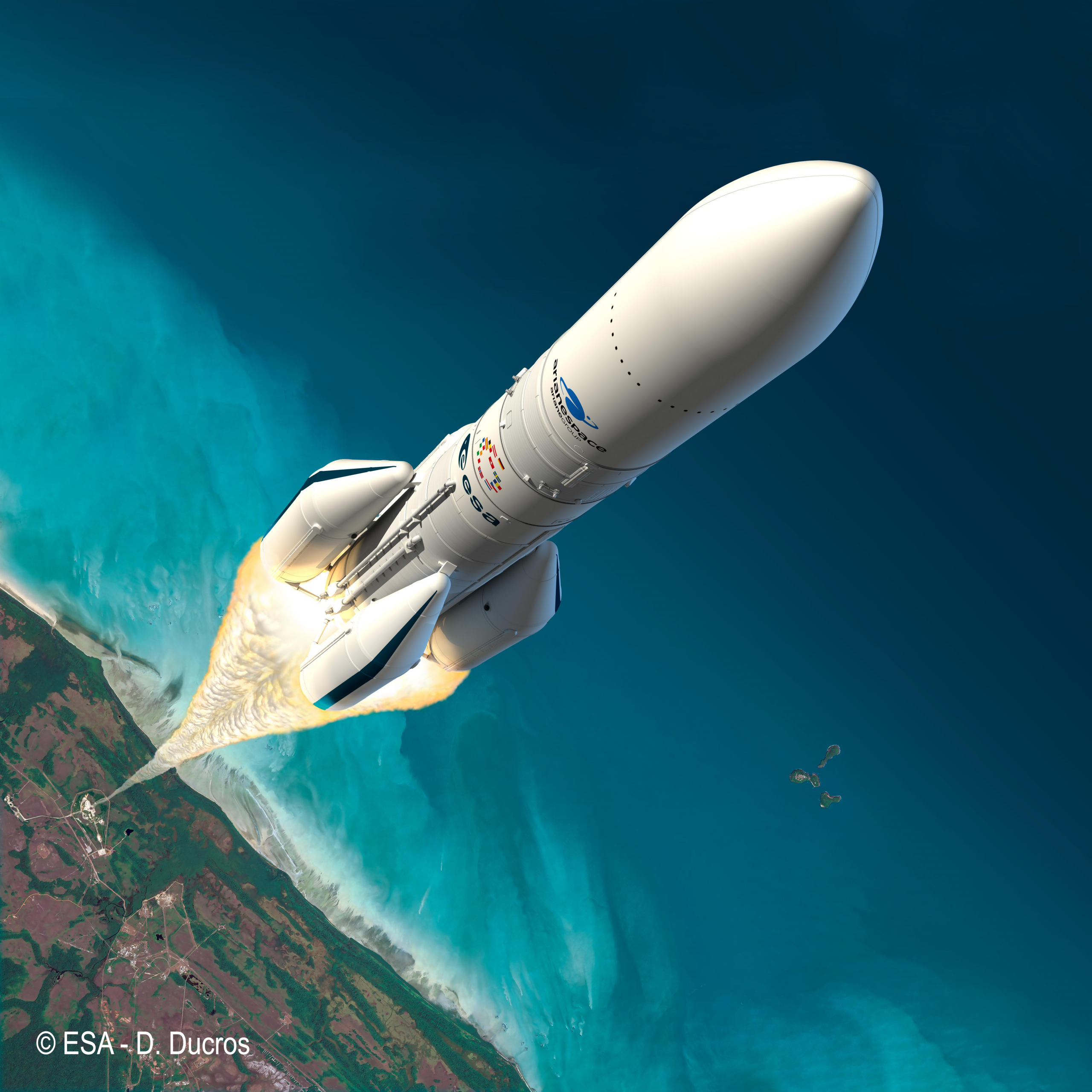
La fusée Ariane-6 effectuera huit lancements en 2026
Le lanceur européen Ariane 6 devrait effectuer jusqu'à huit vols dans l'espace cette année. “Cela représente une augmentation considérable pour un grand lanceur”, a déclaré Martin Sion, PDG de la société aérospatiale ArianeGroup, lundi à Courbevoie, à l'ouest de Paris. Bien que cela double le nombre de vols dans l'espace de la société, elle reste loin derrière son concurrent américain SpaceX. Lire l'article complet : Ariane-6-Rakete soll 2026 bis zu acht Mal starten | STERN.de
MT-Aerospace / Image Trailer
https://vimeo.com/1151660497?share=copy&fl=sv&fe=ci
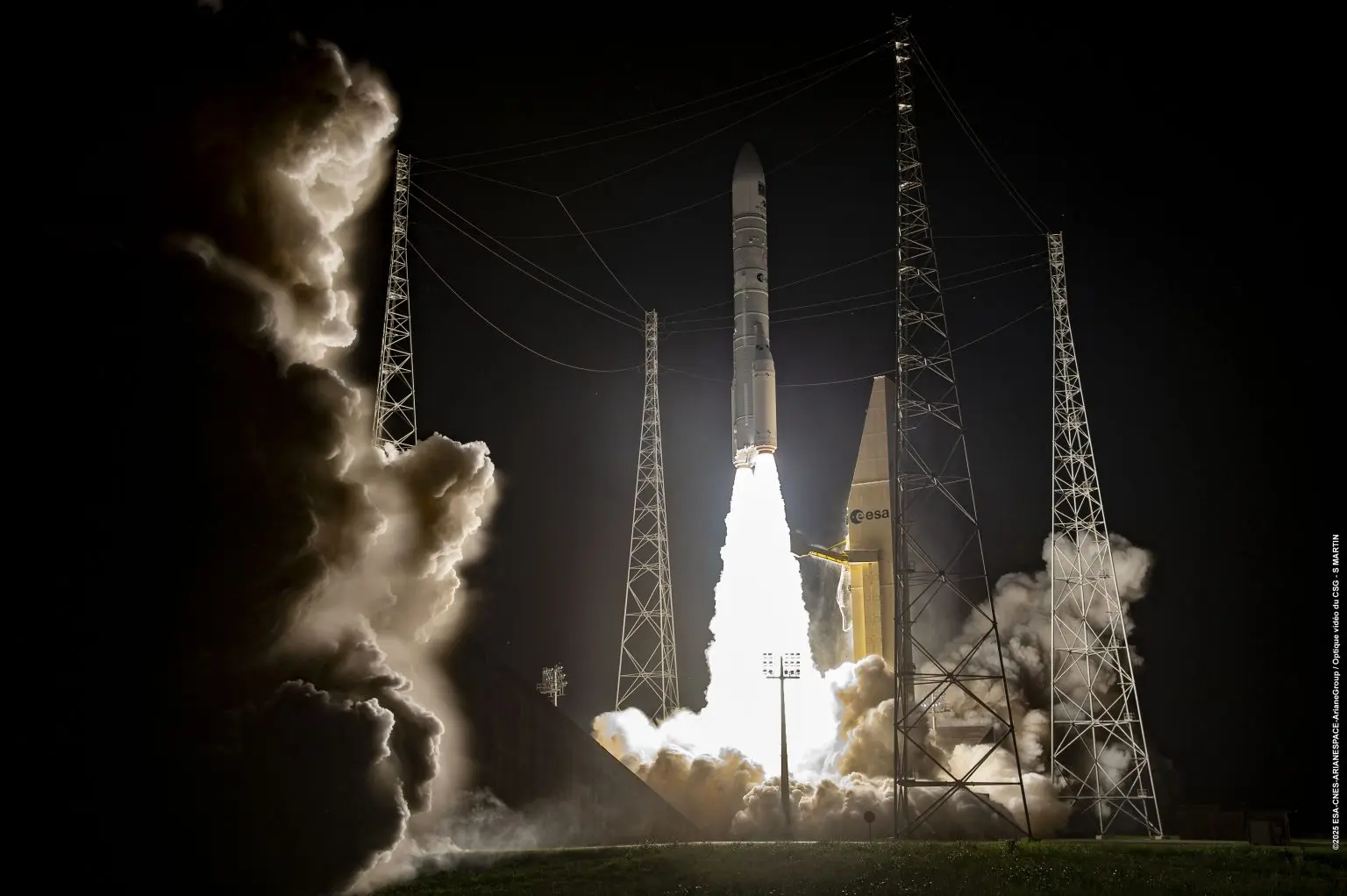
Ariane 6 - Lancement réussi de VA266
Lancement réussi d'Ariane 6 VA266 - dernier lancement en 2025
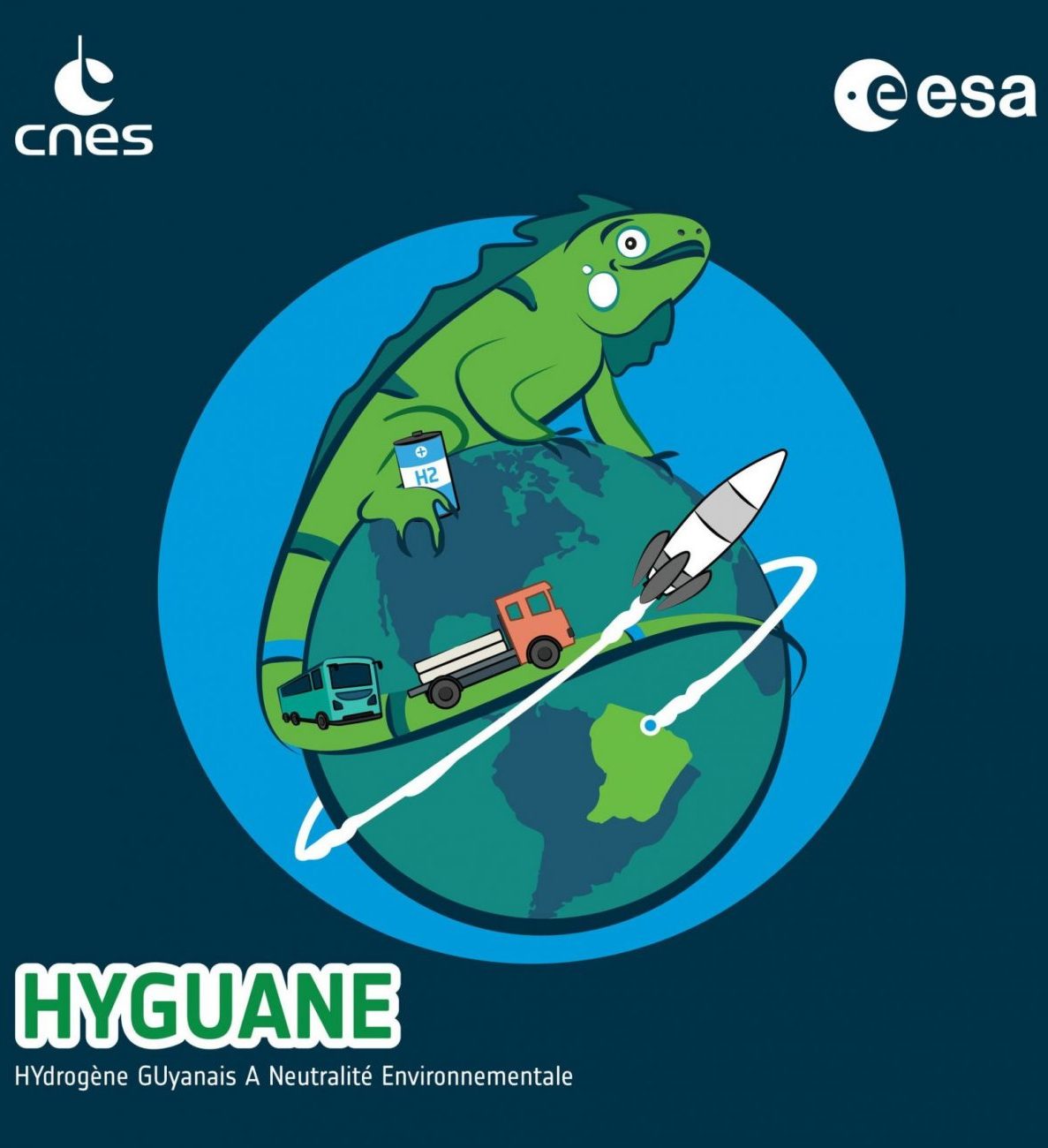
L'hydrogène est le moteur des futures solutions de mobilité décarbonées
Centre de compétence sur l'hydrogène - HYGUANE
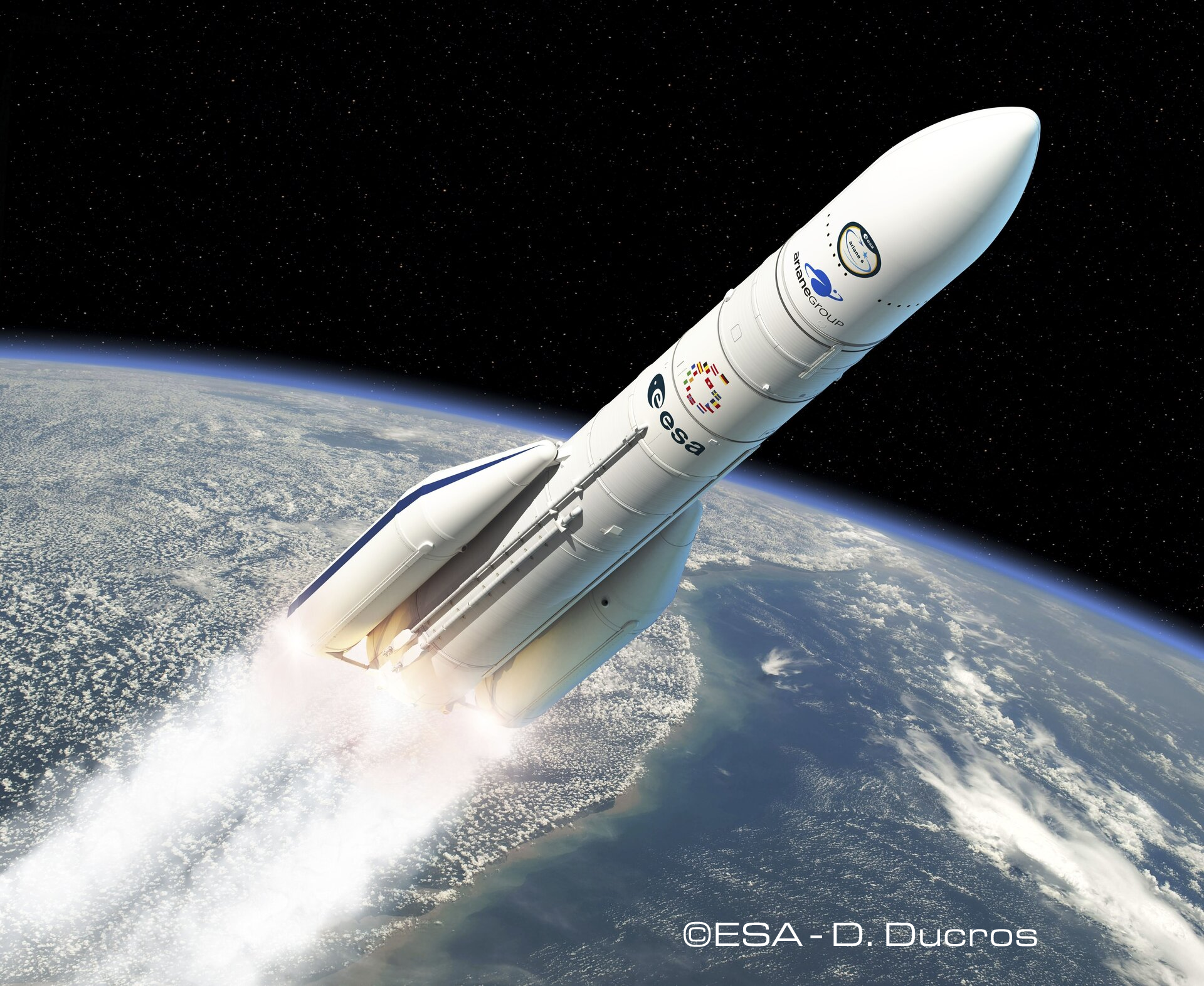
MT Aerospace AG reçoit une commande de pièces structurelles pour la production de fusées d'appoint pour Ariane 6
MT Aerospace AG a été chargée par ArianeGroup, le 25 septembre 2025, de la production en série de structures et de réservoirs centraux pour les modèles de vol 16 à 42 de la fusée européenne Ariane 6. La liste des lauréats a été établie dans le cadre du congrès mondial de Berlin.
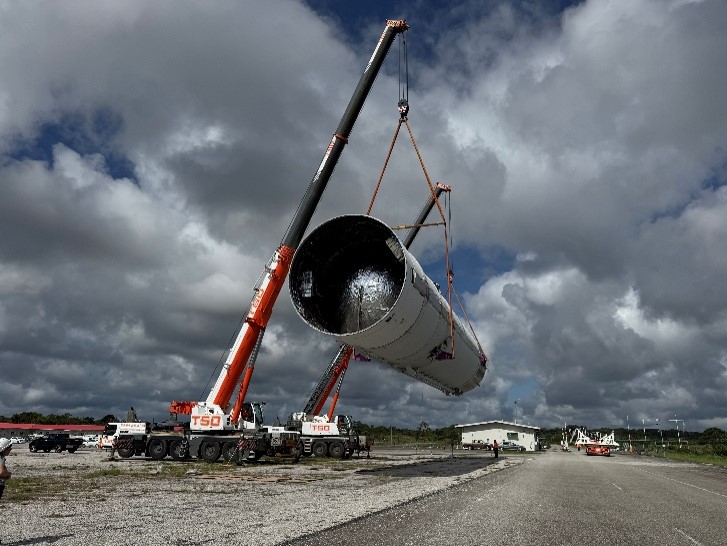
Entretien avec le directeur Michael Gärtner
Les installations et les équipements de la gare routière de Kourou sont impeccables. Ils doivent cependant fonctionner à 100 % de leur capacité. C'est pourquoi MT Aerospace Guyane est une entreprise allemande très impliquée dans ce projet.